
Transforming your bathroom can elevate your home’s comfort and value, turning it into a more functional and luxurious retreat. Whether you’re tackling a bathroom renovation or starting from scratch and wondering how to install a new bathroom, this guide will walk you through every step of the process.
Along the way, we’ll explore popular design trends like Victorian bathroom designs, and how to incorporate elements such as Victorian tiling and bathtubs seamlessly.
Steps How to Install a New Bathroom
Before you begin any bathroom installation or bathroom renovation, solid planning is essential. A well-thought-out layout ensures that your new bathroom will meet all your needs for functionality, space, and aesthetics.
Step 1: Plan the Perfect Bathroom Layout:
- Maximize Your Space: Start by measuring your bathroom to understand the available space. For smaller spaces, especially if you’re aiming for a small bathroom renovation, it’s important to plan carefully. A small Victorian bathroom can offer both elegance and efficiency when you utilise compact fixtures.
- Choose Your Design Style: Decide on the overall style you want for your bathroom. Victorian bathroom designs are timeless and can be an excellent choice for those looking to add a touch of classic elegance. Incorporate Victorian tiling and clawfoot Victorian bathtubs to create an authentic period feel, while modern storage and lighting options can keep the space functional.
- Budget Considerations: Understanding the cost is crucial. The average price to install a bathroom in the UK usually ranges from £3,000 to £7,000, depending on the size, materials, and whether you’re working on a new bathroom installation or a complete bathroom renovation. Custom features like Victorian bathtubs or intricate Victorian tiling can raise the price, so plan accordingly.

Step 2: Demolition and Prep Work:
If you’re renovating an existing bathroom, you’ll need to remove the old fixtures before installing the new ones. This stage can be messy, but it’s an essential part of the process.
- Turn Off Utilities: Always begin by turning off the water supply and electricity to ensure safety during demolition.
- Clear the Space: Remove old toilets, sinks, baths, and any outdated tiles or flooring. At this stage, you’ll strip the bathroom down to its bare bones, prepping it for the exciting transformation to come.
Need help? Hiring professional bathroom fitters in Edinburgh or bathroom fitters in Glasgow can make this process much smoother. Edward and Greaves Bathroom offers full-service bathroom installations in Edinburgh and Glasgow, handling everything from demolition to the final finishes.
Step 3: Plumbing and Electrical Work:
Now that the space is cleared, it’s time to ensure that the plumbing and electrical systems are correctly installed before you start fitting your new fixtures.
- Plumbing Adjustments: Whether you’re shifting the location of the toilet, sink, or shower, make sure the water supply lines and drainage pipes are ready for the new layout. If you’re installing a period piece like a Victorian bathtub, adjustments may be required to ensure the plumbing fits this more traditional design.
- Electrical Setup: Plan your lighting carefully, especially if your bathroom installation includes period-style lighting. Recessed lights or vintage wall sconces can add an elegant touch to your bathroom while providing functional lighting where you need it most. Don’t forget to install outlets in convenient locations for hairdryers, electric toothbrushes, or shavers.
Professional help from bathroom fitters is highly recommended at this stage to ensure everything is up to code and functioning properly.
Step 4: Install the New Fixtures:
With the plumbing and electrical work done, you can now start installing your new fixtures, which will bring your bathroom to life.
- Bathtubs and Showers: For those who love vintage charm, a Victorian bathtub is a stunning focal point. Freestanding clawfoot tubs add a luxurious feel to any bathroom. Make sure the bathtub is securely installed and that all the plumbing is leak-free.
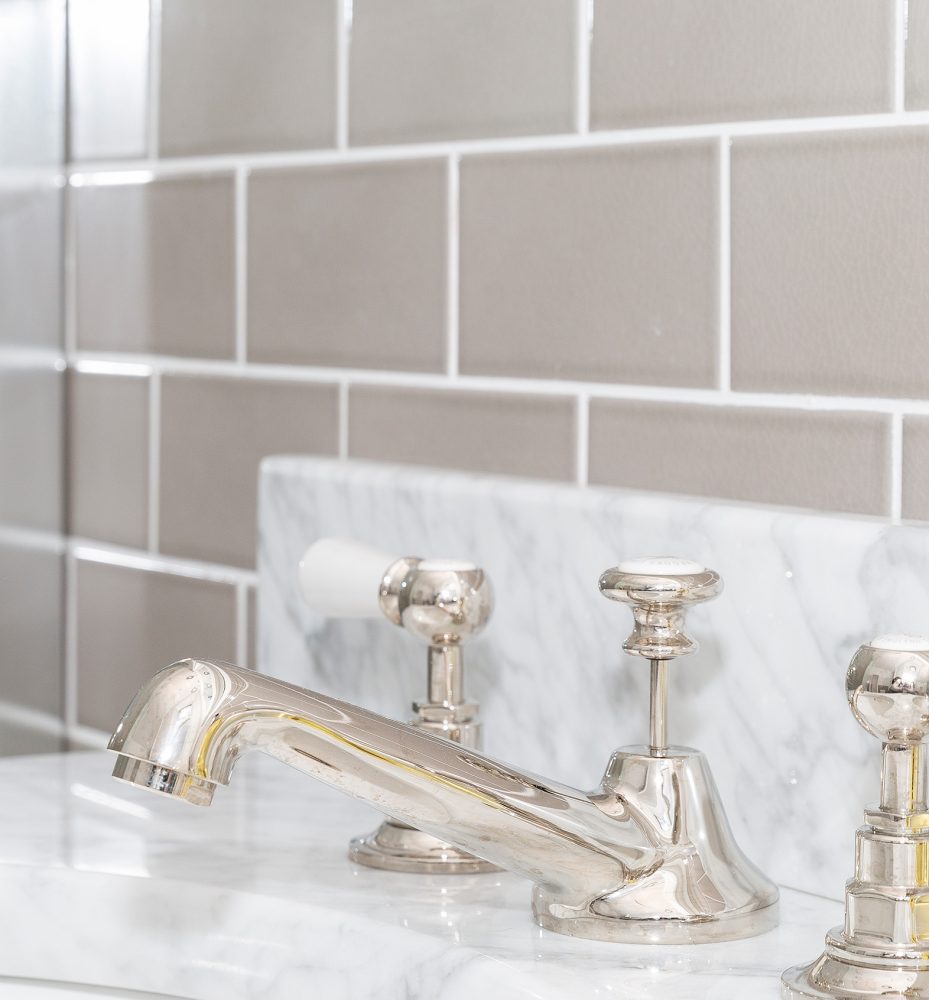
- Toilet and Sink Installation: Whether you choose a modern or period-style toilet and sink, they should be installed in positions that optimize space and flow. For a small bathroom, a wall-mounted or pedestal sink with traditional brass fixtures complements the aesthetic while saving space.
- Vanity and Storage: Maximise storage in your bathroom by installing a vanity or storage unit. In small bathroom renovations, choose a compact vanity that provides necessary storage without overwhelming the space.
Step 5: Flooring and Wall Finishes:
The right flooring and wall finishes are critical to completing your bathroom’s overall design.
- Victorian Tiling: A hallmark of Victorian bathroom designs, Victorian tiling adds character and sophistication. Opt for intricate mosaic designs or geometric patterns on both the floors and walls to create that iconic look. These tiles are not only visually striking but also durable and water-resistant, making them perfect for bathrooms.
Moisture-Resistant Paint: For non-tiled areas, choose moisture-resistant paint in soft tones. This will protect your walls from the humid environment and complement your chosen bathroom finishes.
Step 6: Install Lighting and Ventilation:
Proper lighting and ventilation are essential components of any bathroom, ensuring it’s both functional and comfortable.
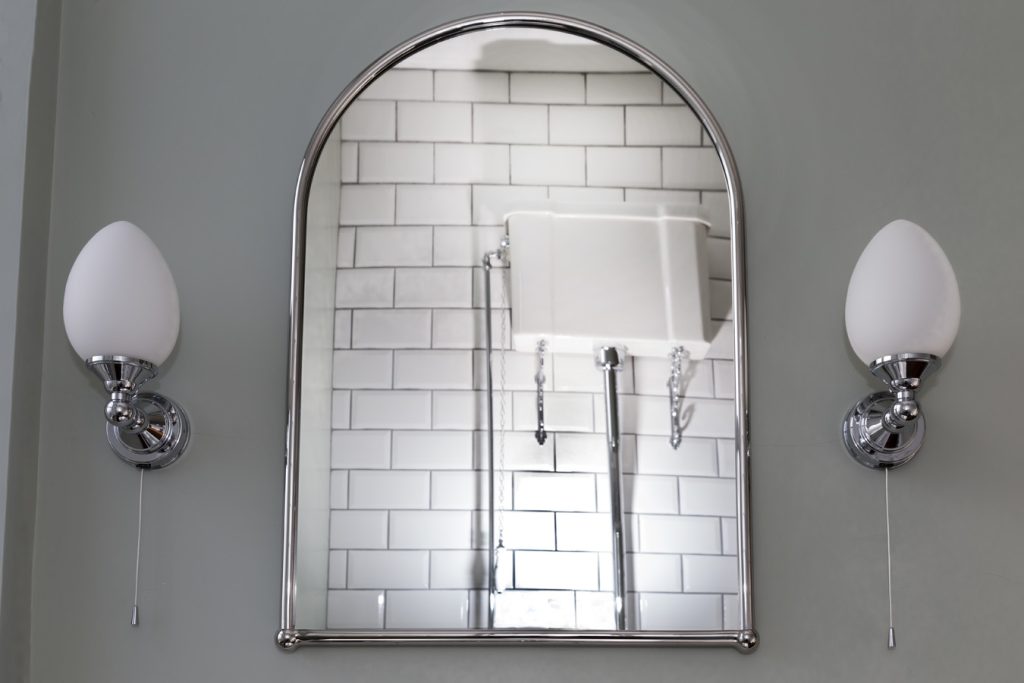
- Elegant Lighting: Period-style lighting, like ornate sconces or a chandelier, enhances the elegance of a bathroom design. Make sure your lighting is sufficient to illuminate key areas like the vanity and shower while adding to the overall ambience of the space.
Ventilation: A good exhaust fan is crucial to prevent moisture buildup, which can lead to mould and mildew. This is particularly important in smaller bathrooms, where dampness accumulates quickly.
Step 7: Finishing Touches:
Now that the major work is done, it’s time to add the final touches that will bring your bathroom vision to life.
- Caulking and Sealing: Properly seal all areas around the sink, bathtub, and shower to prevent leaks. Waterproof caulk is essential for maintaining the durability of your new bathroom installation.
- Decor and Accessories: Finish off the space with accessories that complement your design. Vintage-style towel racks, ornate mirrors, and matching soap dishes will enhance the bathroom design, adding a touch of class and functionality.
Step 8: Final Testing and Inspections:
Before you consider your bathroom complete, do a thorough test of all your installations. Check for any leaks, ensure the water pressure is strong, and make sure all electrical components work as expected. This final inspection will guarantee that your bathroom installation is fully functional.
Wrapping Up…
A successful bathroom installation or bathroom renovation requires careful planning and attention to detail. Whether you’re aiming for a modern look or leaning into the timeless elegance of Victorian bathroom designs, following these steps on how to install a new bathroom will ensure a smooth and beautiful transformation.
For those seeking professional assistance, bathroom fitters are available to help every step of the way, from demolition to final fittings. Ready to get started? Contact us today and we can help make your dream bathroom a reality.
